


Did you know that nearly 60 percent of new joggers quit within thirty days? Most fail because they push their bodies too hard without a solid foundation. You can avoid this trap by following a unique program that emphasizes consistency over speed.
Experts from Strength Running suggest focusing on proper form and frequency from day one. Brands like NordicTrack highlight that gradual progression is the secret for injury-free miles. Listening as your body speaks helps you build stamina without the risk of burnout.
Investing in quality gear, such as the upcoming 2026 Nike Pegasus or Brooks models, will support your journey. High-quality footwear provides the cushion needed for pavement pounding. Your success depends on your preparation and willingness of growing slowly.
Adopting a how to start running for beginners strategy requires patience and the right mindset. With the correct strategy, you will transform your health and discover a lifelong passion in fitness.
Key Takeaways
- Select 2026 footwear models for enhanced joint support.
- Prioritize proper technique to prevent early injuries.
- Follow a gradual progression plan to build endurance.
- Maintain a steady frequency to establish a lasting habit.
- Listen to your body to avoid physical burnout.
Mastering the Fundamentals: How to Start Running for Beginners

As a beginner, learning how to start running effectively is crucial for enjoying the many benefits that running has to offer. To ensure a smooth transition into running, it’s essential to focus on building a strong foundation.
Setting Your Initial Running Schedule
Creating a running schedule is vital for consistency and progress. NordicTrack suggests starting with walk-run intervals and gradually increasing your running time. For example, you can begin with 20-minute sessions, alternating between 5 minutes of running and 3 minutes of walking. As your endurance builds, you can extend your running intervals and reduce your walking breaks.
- Start with short running intervals (5-10 minutes) followed by walking breaks.
- Gradually increase the duration of your running intervals.
- Aim to run for longer periods without stopping as your fitness level improves.
Choosing the Right Environment and Safe Routes
Selecting the right environment and safe routes is crucial for an enjoyable and injury-free running experience. Opt for routes with minimal traffic, good lighting, and smooth surfaces. Consider running on trails or in local parks, which can provide a more pleasant and varied environment compared to busy city streets.
When choosing a route, consider factors such as:
- Visibility and lighting to ensure you’re seen by drivers and others.
- Surface quality to minimize the risk of tripping or slipping.
- Traffic volume to reduce the risk of accidents.
Tracking Progress with Fitness Technology
Utilizing fitness technology can significantly enhance your running experience by providing valuable insights into your progress. Fitness trackers and running apps can monitor your pace, distance, heart rate, and other vital metrics. Strength Running provides tutorials on running form and recovery, which can be invaluable for beginners looking to improve their technique.
Some benefits of using fitness technology include:
- Monitoring your progress and setting realistic goals.
- Receiving feedback on your running form and technique.
- Staying motivated through data-driven insights and achievements.
Perfecting Your Form and Breathing Techniques

Efficient running is not just about putting one foot in front of the other; it’s about mastering the art of form and breathing. As you continue on your running journey, refining your technique can significantly impact your performance and overall experience.
Developing the Perfect Running Technique
To develop the perfect running technique, you need to focus on your posture, stride, and foot strike. Maintaining a good posture is essential; keep your head up, shoulders relaxed, and torso upright. Your stride should be natural and smooth, avoiding overstriding which can lead to injuries. Landing midfoot or forefoot instead of heel striking can also reduce the impact on your joints.
Here are some key elements to focus on:
- Posture: Keep your head up and torso upright.
- Stride: Aim for a natural, smooth stride.
- Foot Strike: Land midfoot or forefoot.
Applying Tarahumara Running Principles for Efficiency
The Tarahumara people, known for their exceptional endurance running, offer valuable insights into efficient running techniques. Their technique emphasizes a relaxed posture and a short, quick stride. By adopting these principles, you can improve your running efficiency and reduce your risk of injury.
How to Control Breathing While Running
Controlling your breathing is crucial for optimizing your running performance. Proper breathing techniques can help you stay relaxed and maintain a consistent pace.
Rhythmic Breathing Patterns
Establishing a rhythmic breathing pattern can help you maintain a steady pace. Try synchronizing your breath with your footsteps. For example, you could inhale for three steps and exhale for two. This rhythmic breathing can help you stay focused and relaxed.
Managing Oxygen Intake During Intensity Shifts
When you increase your running intensity, your oxygen demand increases. Learning to manage your oxygen intake during these shifts is crucial. Practice deep breathing exercises to improve your lung capacity, and focus on exhaling fully to take in more oxygen.
By mastering your form and breathing techniques, you can significantly enhance your running experience and performance. Focus on developing a consistent technique and controlled breathing to take your running to the next level.
Selecting the Best Beginner Running Shoes for 2026
The right running shoes can make all the difference for new runners, providing the necessary support and comfort for a successful start. When it comes to choosing the best beginner running shoes, comfort should be your top priority.
Rather than relying on the ‘wet foot test’ or static foot posture, focus on how the shoes feel during your runs. The 2026 collections from top brands offer several excellent options that cater to the needs of new runners.
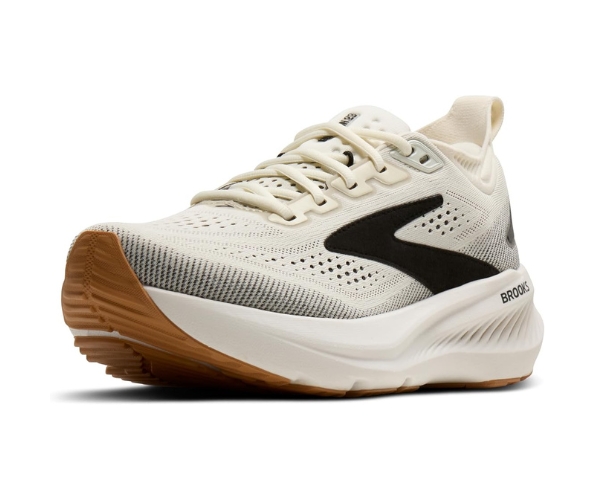
Brooks Glycerin 23
Overview and Performance Benefits
The Brooks Glycerin 23 is designed for runners seeking a smooth ride. It features DNA LOFT cushioning that provides a soft and smooth ride without compromising on the support needed for longer runs.
This shoe is part of Brooks’ commitment to creating high-quality running shoes that cater to various runner needs, making it an excellent choice for those looking for comfort and performance.
Why It Suits New Runners
New runners will appreciate the Glycerin 23’s comfortable fit and supportive ride. It’s ideal for those transitioning from walking or jogging to regular running, offering the necessary comfort to help prevent injuries.
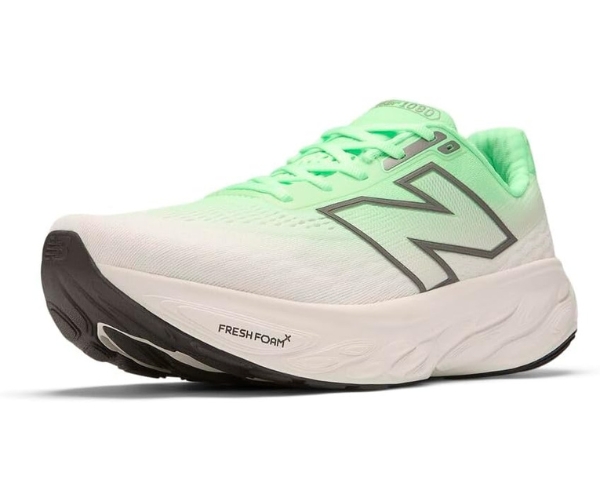
New Balance Fresh Foam X 2026
Overview and Performance Benefits
The New Balance Fresh Foam X 2026 boasts a Fresh Foam midsole that provides a plush and supportive ride. Its design focuses on delivering a comfortable running experience, making it perfect for daily training.
This shoe is engineered to provide a smooth heel-to-toe transition, reducing the risk of injury and enhancing overall running efficiency.
Why It Suits New Runners
For new runners, the Fresh Foam X 2026 offers a comfortable and supportive platform. Its cushioning and stability features help in reducing the impact on joints, making it an excellent choice for those starting their running journey.
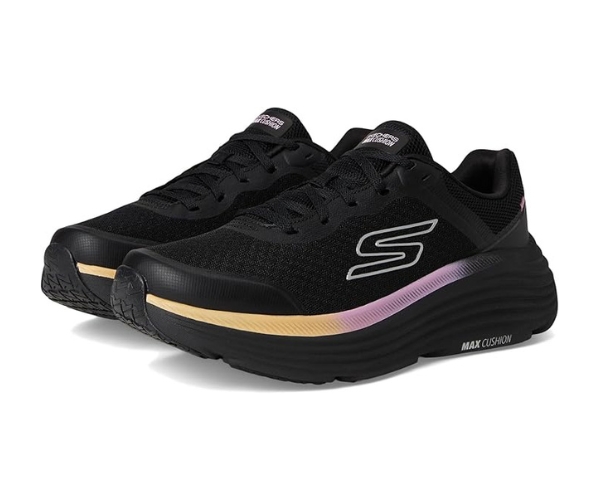
Skechers Performance Series
Overview and Performance Benefits
Skechers Performance Series shoes are designed with GOFOAM cushioning, providing a responsive and comfortable ride. They are lightweight and offer excellent support, making them suitable for runners of all levels.
These shoes are designed to deliver a comfortable fit and performance, catering to the needs of runners who value both style and functionality.
Why It Suits New Runners
New runners will benefit from the Skechers Performance Series due to its comfort and support features. The shoes are designed to provide a smooth running experience, helping new runners to stay motivated and injury-free.
Building a Sustainable Runner Mindset
As you progress in your running journey, developing a sustainable runner mindset becomes crucial for long-term success. This involves cultivating habits and strategies that support your running goals and help you overcome challenges.
A key aspect of a sustainable runner mindset is consistency. Consistency in your training helps build endurance and reinforces your commitment to running. To achieve this, it’s essential to establish a routine that works for you and stick to it.
Strategies for Long-Term Running Consistency
To build a running habit, you need to focus on creating a schedule that is realistic and manageable. This might involve starting with short runs and gradually increasing the distance and frequency.
- Set realistic goals that align with your current fitness level.
- Create a running schedule and stick to it.
- Incorporate rest days to allow your body to recover.
Consistency is also about adaptability. Being able to adjust your training plan in response to changing circumstances, such as weather or injury, is crucial for maintaining long-term running consistency.
How to Prevent Knee Injuries When Running
Preventing knee injuries is a critical aspect of maintaining a sustainable running habit. Knee injuries can be debilitating and often result from poor running form, inadequate training, or insufficient recovery.
| Prevention Strategy | Description | Benefits |
|---|---|---|
| Strengthening Core and Leg Muscles | Engage in exercises that strengthen your core and leg muscles. | Reduces the risk of knee injuries by improving running form and stability. |
| Proper Running Form | Focus on maintaining good posture and landing midfoot or forefoot when you hit the ground. | Reduces the impact on your knees. |
| Gradual Progression | Gradually increase your running distance and intensity. | Allows your knees and other joints to adapt to the demands of running. |
Overcoming Mental Barriers and Staying Motivated
Overcoming mental barriers is essential for maintaining a runner mindset. Common barriers include lack of motivation, fear of injury, and negative self-talk.
To stay motivated, it’s helpful to set achievable goals and reward yourself when you reach them. You can also draw motivation from various sources, such as running communities, inspirational stories, or personal achievements.
By adopting strategies for long-term running consistency, preventing knee injuries, and overcoming mental barriers, you can build a sustainable runner mindset that supports your running journey.
Conclusion
As you continue on your running path, finding safe running routes near me can make a significant difference in your overall experience. NordicTrack advises runners to identify a route that is not only safe but also enjoyable, helping you stay motivated and engaged.
To monitor your progress effectively, consider using a running log. This tool allows you to track your distance, time, and overall performance, providing valuable insights into your improvement over time. Many runners also benefit from wearing a fitness tracker, which can offer real-time data on their runs and help them set achievable goals.
By combining safe routes with the right tracking tools, you can maintain a consistent running habit and continue to refine your technique. Stay committed, and you’ll be on your way to becoming a seasoned runner, enjoying the many benefits that running has to offer.
FAQ
How can I effectively design a running schedule for beginner athletes to ensure long-term success?
To set yourself up for victory, you must adopt a structured start running plan for beginners that prioritizes gradual progression. Instead of sprinting every day, follow a running schedule for beginners that alternates between jogging and walking intervals. This method allows your cardiovascular system and muscles to adapt, helping you build a running habit that is both sustainable and enjoyable.
What should I look for when choosing the best beginner running shoe for my specific needs?
You need footwear that offers a balance of comfort and support. The Brooks Glycerin 23 and the New Balance Fresh Foam X 2026 are widely considered the best running shoes for beginner runners because they provide maximum cushioning. Investing in high-quality running shoes for injury prevention, such as the Skechers Performance Series, ensures that your joints are protected as you increase your mileage.
How to prevent knee injuries when running if I am just starting out?
Protecting your knees starts with mastering the perfect running technique. Focus on maintaining a short stride and landing with your feet directly under your hips. By studying the Tarahumara running technique, which emphasizes a soft midfoot strike rather than a heavy heel strike, you can significantly reduce the impact on your joints and stay pain-free.
Can you explain how to breathe while running to avoid getting winded too quickly?
Learning how to control breathing while running is a game-changer for your endurance. You should practice rhythmic belly breathing—inhaling deeply through your nose and mouth for three steps and exhaling for two. This technique stabilizes your core and ensures your muscles receive a steady stream of oxygen, allowing you to maintain a calm and focused runner mindset.
What is the best way to find safe running routes near me?
You can discover the best local paths by using a fitness tracker or community-driven apps like Strava or Garmin Connect. These tools show you heatmaps of where other athletes run, ensuring you choose well-populated, well-lit, and safe environments. Selecting the right route allows you to focus entirely on your running technique for beginners without worrying about your surroundings.
Why is maintaining a running log so important for running consistency?
Keeping a detailed running log is the ultimate way to stay accountable to your goals. By recording your distance, pace, and how you felt during each session, you can visualize your progress over time. This data provides the psychological boost needed to overcome mental barriers, reinforcing your dedication to how to start running and—more importantly—how to keep running for years to come.
