


The running shoe market explodes with new releases every season. Yet few shoes manage to strike the perfect balance between everyday comfort and race-ready speed. The Saucony Endorphin Speed 4 attempts this delicate balancing act.
This latest version builds on three years of refinement. Saucony didn’t reinvent the wheel here. Instead, they focused on subtle improvements that matter to real runners.
Whether you’re chasing a personal record or logging easy miles, the Speed 4 promises versatility. But does it deliver? Let’s break down what makes this shoe worth considering for your rotation.
Ready to Experience the Speed 4?
Join thousands of runners who’ve upgraded their training with the Endorphin Speed 4. Check current pricing and availability.
First Impressions: Unboxing the Saucony Endorphin Speed 4
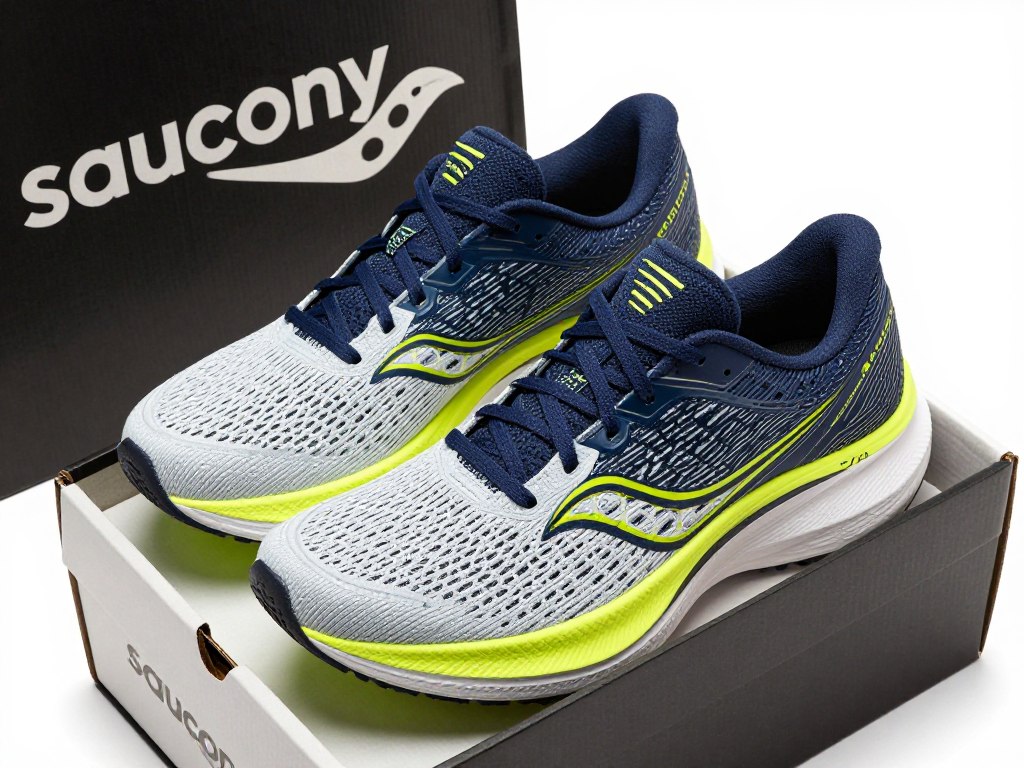
Pulling the Speed 4 from its box reveals immediate differences from its predecessor. The upper features a refined mesh construction that feels lighter in hand. The integrated tongue system sits smoother against the foot compared to earlier versions.
Weight-conscious runners will appreciate the minimal approach. Each shoe tips the scales at approximately 7.6 ounces for men’s size 9. That’s competitive with other tempo trainers while maintaining structural integrity.
The colorway options span from subtle to bold. Navy and citron combinations catch eyes without screaming for attention. More conservative runners can opt for classic white and shadow variations.
Build Quality Highlights
- Engineered mesh upper with strategic reinforcements
- Seamless heel liner reduces friction and hot spots
- Durable rubber outsole with targeted traction zones
- Clean stitching throughout construction
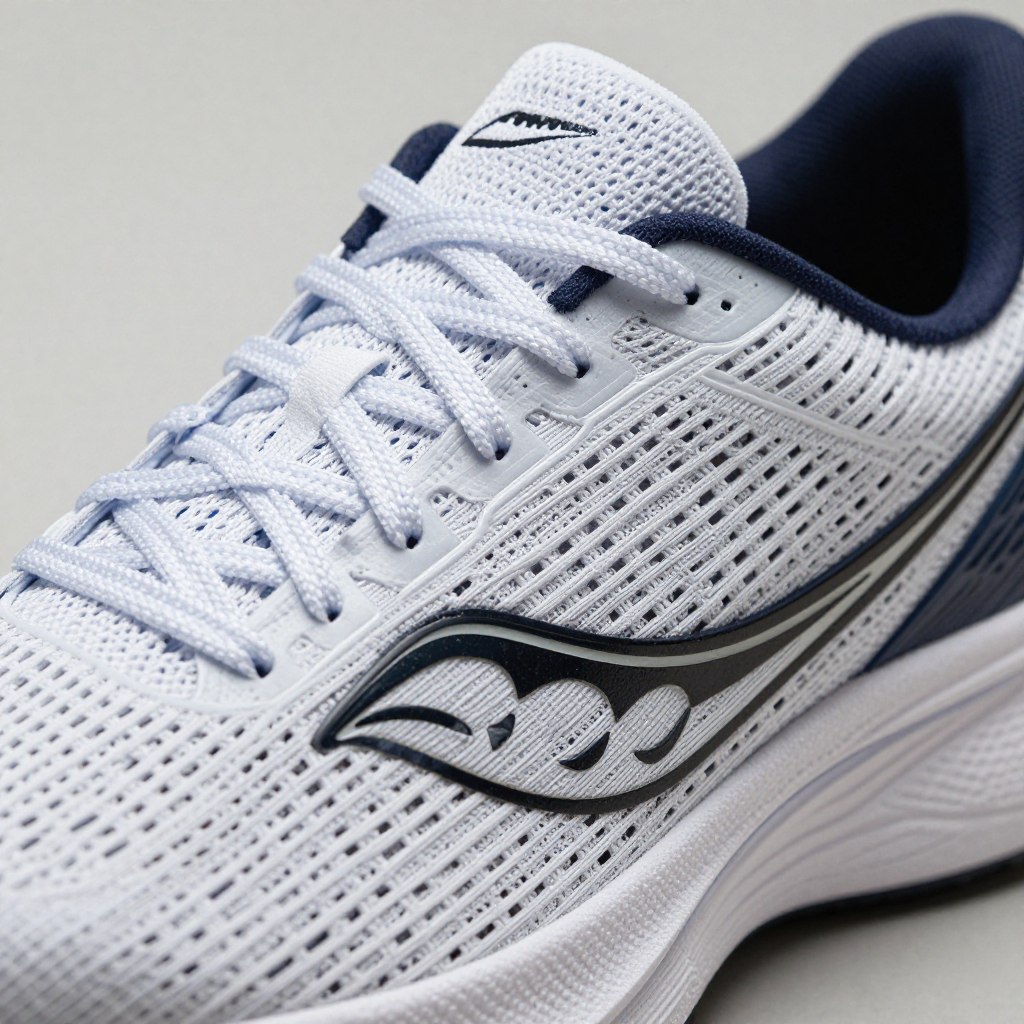
Technology Breakdown: What Powers the Endorphin Speed 4
Saucony packs serious innovation into this mid-priced trainer. Understanding these technologies helps explain why the shoe performs the way it does during runs.
SPEEDROLL Geometry: The Secret Sauce
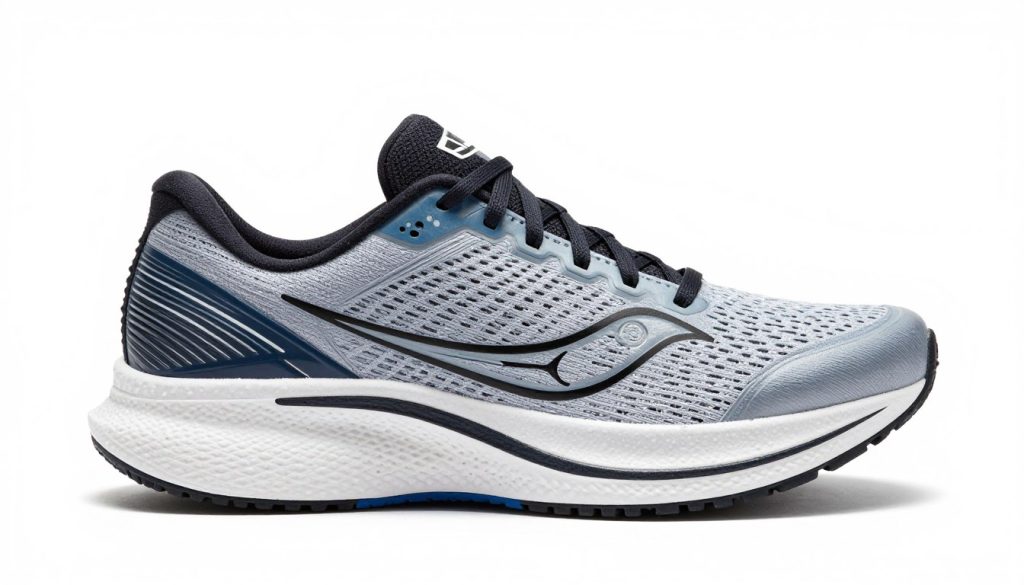
SPEEDROLL represents Saucony’s approach to forward propulsion. The geometry creates a natural rocking motion that propels you forward with less effort. Your heel strikes, then the shoe’s curve helps roll you onto your forefoot seamlessly.
This isn’t just marketing speak. The rocker design genuinely changes how your foot interacts with the ground. Runners report feeling pulled forward, especially at faster paces. The effect becomes more noticeable during tempo workouts and race efforts.
Nylon Plate vs Carbon Fiber
Here’s where the Speed 4 differentiates itself from the pricier Endorphin Pro line. Instead of a full carbon fiber plate, Saucony opted for a nylon plate construction. This choice impacts performance and price point significantly.
Nylon Plate Advantages
- More forgiving on easy runs and recovery days
- Better versatility across different paces
- Lower price point than carbon alternatives
- Adequate snap for most training scenarios
- Less aggressive ride for everyday use
Nylon Plate Limitations
- Less energy return than carbon fiber
- Not quite as responsive at top speeds
- May feel less “race-ready” for elite athletes
- Slightly heavier than carbon alternatives
PWRRUN PB Foam Cushioning
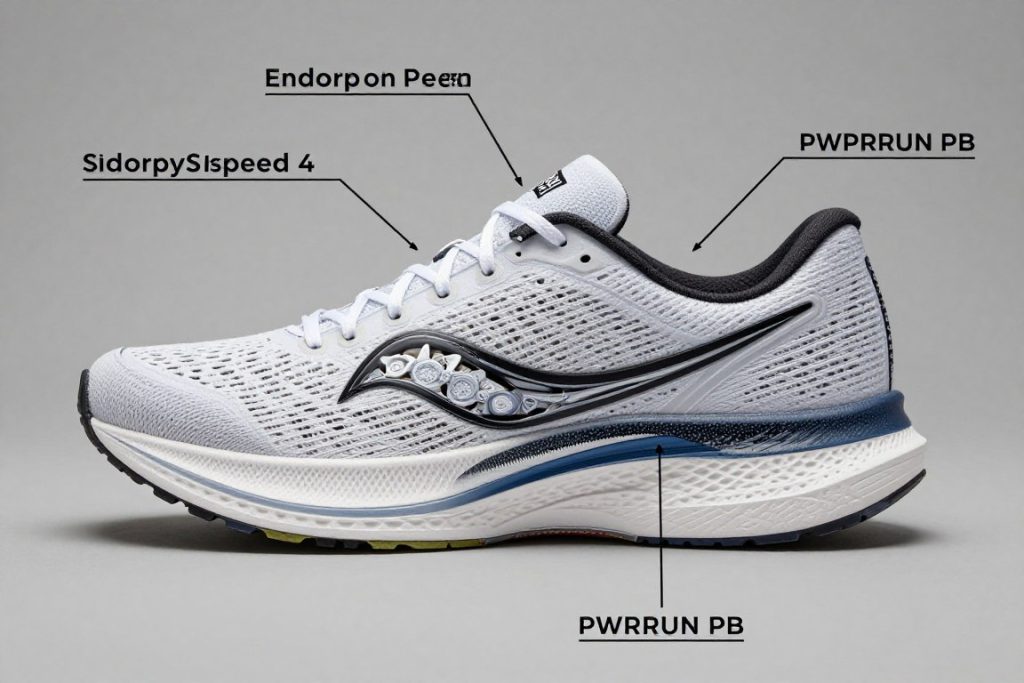
The midsole features PWRRUN PB foam throughout. This material delivers impressive cushioning without excessive weight. The foam compresses predictably under load then rebounds quickly between steps.
Stack height measures 35mm in the heel and 27mm in the forefoot. That creates an 8mm drop, which suits most runners’ natural gait patterns. The generous stack provides protection during long runs while maintaining ground feel.
Real-World Performance: How the Speed 4 Handles Different Workouts
Theory and technology mean nothing without practical performance. Testing these shoes across various workout types reveals their true character and limitations.
Easy Run Performance
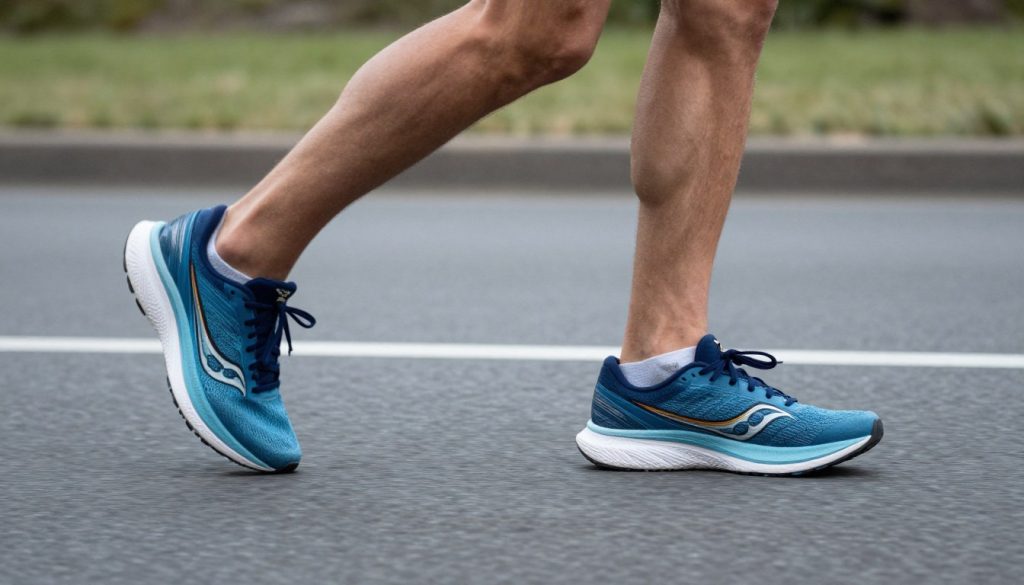
Daily training forms the foundation of any running program. The Speed 4 excels here more than previous versions. The updated foam feels softer at slower paces, making recovery runs more comfortable.
At 8 to 9 minute mile pace, the shoes feel protective without being clunky. The rocker geometry still works at these slower speeds, though the effect feels less pronounced. Your legs appreciate the cushioning during high-mileage weeks.
One runner logged over 200 miles in these shoes for easy runs alone. No major complaints emerged regarding comfort or durability. The upper breathes well even on humid summer mornings.
Tempo and Threshold Workouts
This is where the Endorphin Speed 4 truly shines. The combination of SPEEDROLL geometry and nylon plate creates noticeable efficiency gains when pushing the pace.
During threshold efforts at 6:30 to 7:30 per mile, the shoe feels alive. Each toe-off delivers a responsive snap that encourages turnover. The ride remains stable even as fatigue sets in during longer tempo blocks.
Tempo Run Observations
- Natural forward propulsion reduces perceived effort
- Stable platform handles quick direction changes
- Foam maintains responsiveness throughout workout
- Upper security keeps foot locked during hard efforts
- No hot spots or pressure points during intense sessions
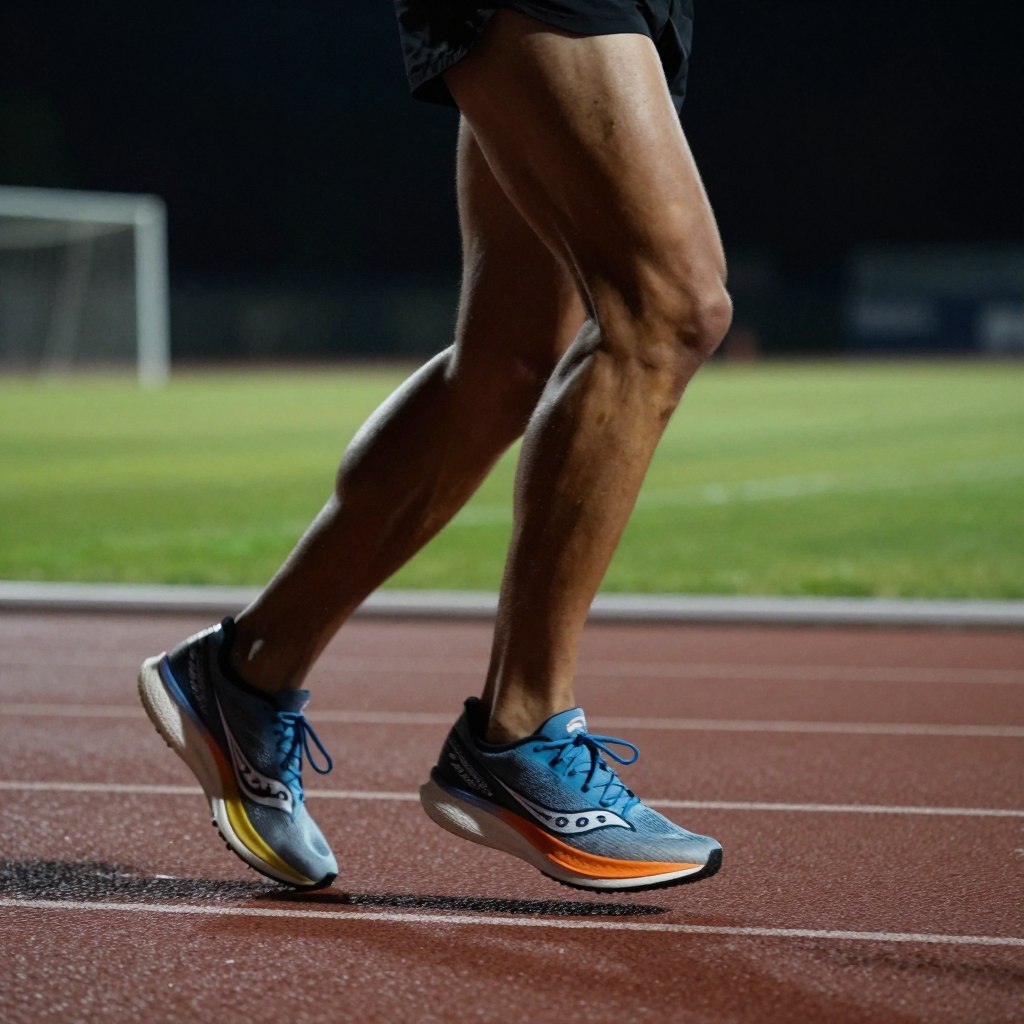
Race Day Capabilities
Can the Speed 4 handle race day duties? The answer depends on your goals and preferences. For most recreational runners targeting 5K through half marathon distances, these shoes deliver excellent performance.
The lighter weight compared to traditional trainers provides an edge. The responsive ride helps maintain pace when legs start protesting. However, elite athletes chasing podium finishes might prefer the extra snap of carbon-plated options.
Several runners reported successful half marathon performances in the Speed 4. Times ranged from 1:25 to 1:45, with consistent positive feedback about comfort and energy return throughout the race distance.
Experience Race-Ready Versatility
The SPEEDROLL technology and nylon plate deliver performance without compromise. Discover why serious runners are adding the Speed 4 to their rotation.
Fit, Sizing, and Comfort Analysis
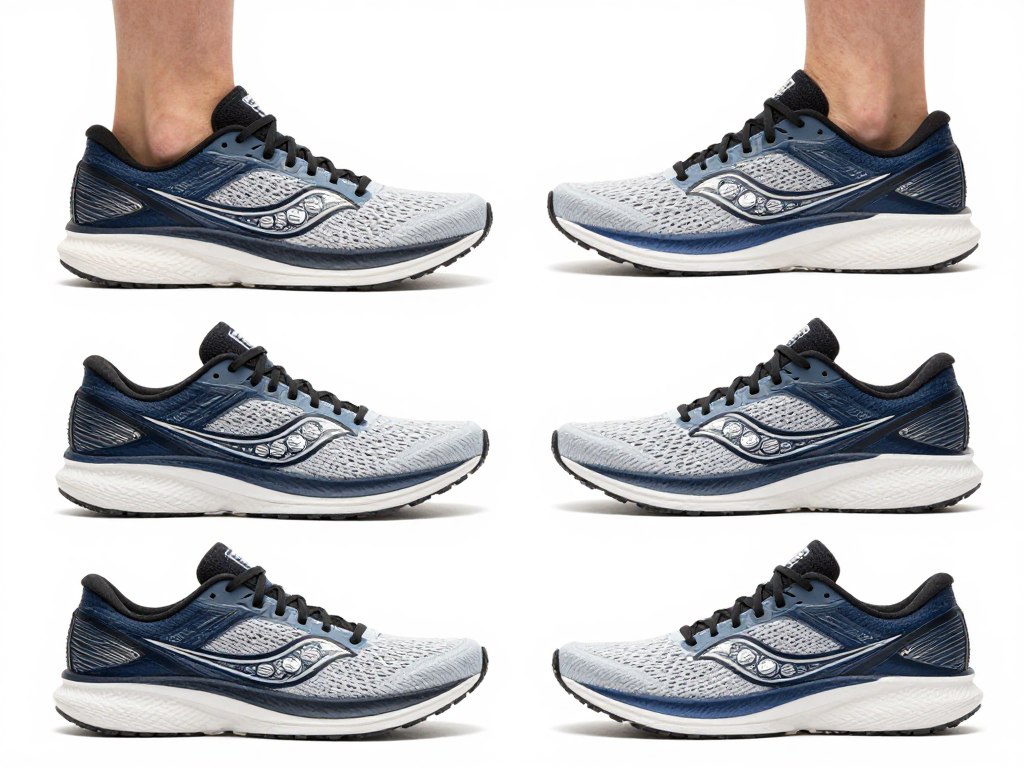
Getting the right fit makes or breaks your running shoe experience. The Speed 4 runs fairly true to size for most runners, though some nuances deserve attention.
Length and Width Considerations
Most testers found their standard running shoe size worked perfectly. The toebox provides adequate room for toe splay without excess volume. Runners with narrow to medium width feet will find the most secure fit.
Wider-footed runners should proceed cautiously. While not exceptionally narrow, the Speed 4 doesn’t offer the generous width of some competitors. Consider trying on in-store if possible, or ordering from retailers with flexible return policies.
| Foot Type | Recommended Sizing | Notes |
| Narrow | True to size | Excellent lockdown, minimal heel slippage |
| Medium | True to size | Most common fit, comfortable throughout |
| Wide | Consider half size up | May feel snug, test before committing |
| High Volume | True to size or half up | Upper may feel restrictive initially |
| Low Volume | True to size | Excellent fit with proper lacing |
Upper Comfort and Breathability
The engineered mesh upper strikes a nice balance between structure and flexibility. Hot spots rarely develop, even during longer runs. The material stretches slightly to accommodate foot swelling during extended efforts.
Breathability impresses across different conditions. Summer runs in 80-degree heat showed minimal overheating issues. The mesh allows air circulation while maintaining necessary support.
Heel Counter and Lockdown
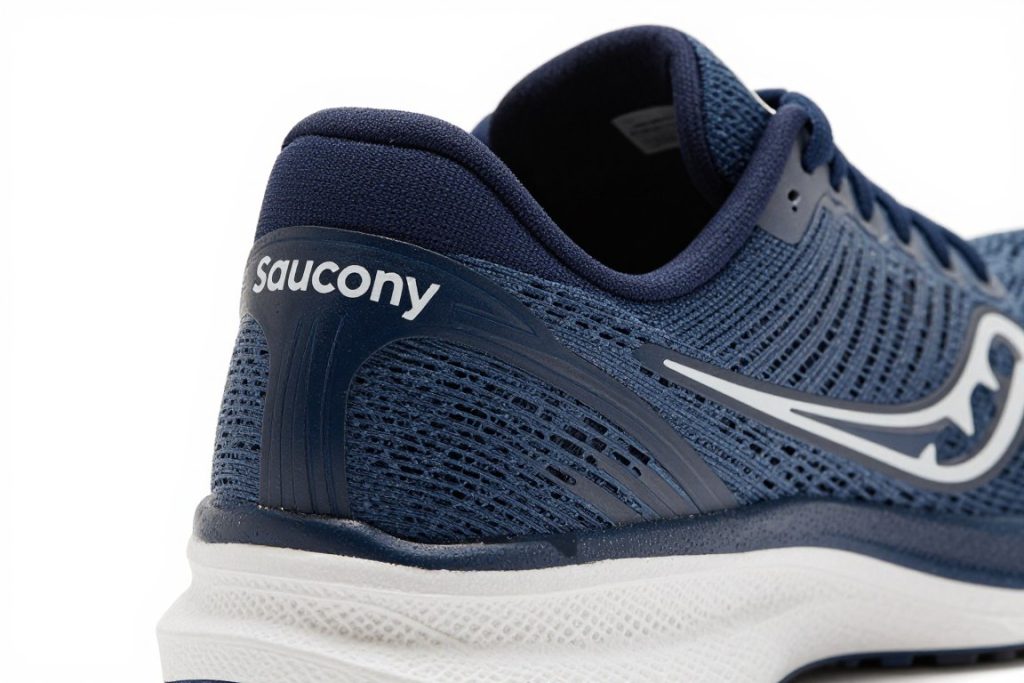
The redesigned heel collar deserves special mention. Saucony smoothed out the liner, eliminating pressure points that plagued some runners in previous versions. The result is a more comfortable, friction-free experience.
Heel lockdown feels secure without excessive pressure. The collar cups your heel naturally, preventing slippage during quick pace changes or hill climbs. Runners with narrow heels reported excellent stability.
Durability and Longevity Expectations
Premium running shoes demand premium prices. Runners rightfully expect their investment to last through significant mileage before showing excessive wear.
Outsole Wear Patterns
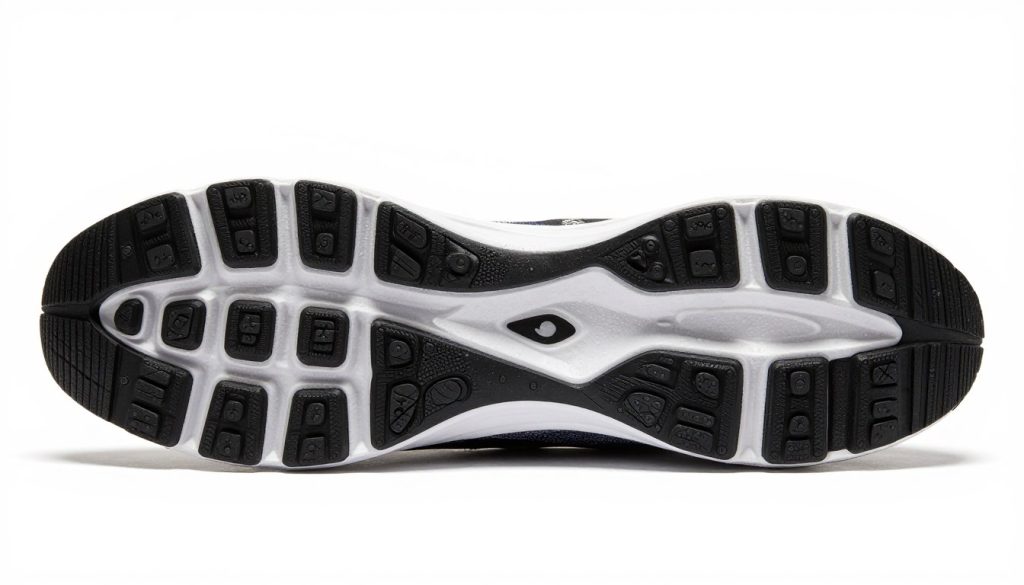
The outsole features strategic rubber placement in high-wear zones. This approach balances weight savings with durability. After 100 miles of mixed surface running, the rubber showed minimal wear in most areas.
Forefoot strikers may notice faster wear near the toe-off zone. This is expected given the aggressive SPEEDROLL geometry. Most runners should achieve 250 to 350 miles before considering replacement.
Heel strikers benefit from generous rubber coverage in the heel crash pad. This extends life compared to minimalist racing flats while maintaining reasonable weight.
Midsole Compression and Energy Return
PWRRUN PB foam maintains its responsiveness better than traditional EVA compounds. Even after 200 miles, testers reported consistent cushioning and energy return during workouts.
The foam doesn’t pack out quickly like some softer alternatives. This stability means the ride feels consistent throughout the shoe’s lifespan. You won’t experience dramatic changes in feel after 100 miles.
Upper Integrity Over Time
The mesh construction holds up well against typical training abuse. No premature tearing or separation appeared during testing periods. Reinforcements in high-stress areas prevent common failure points.
Laces maintain tension without fraying. Eyelets show no signs of stress or distortion. These small details contribute to overall longevity and user satisfaction.
Speed 4 vs Speed 3: What Changed?
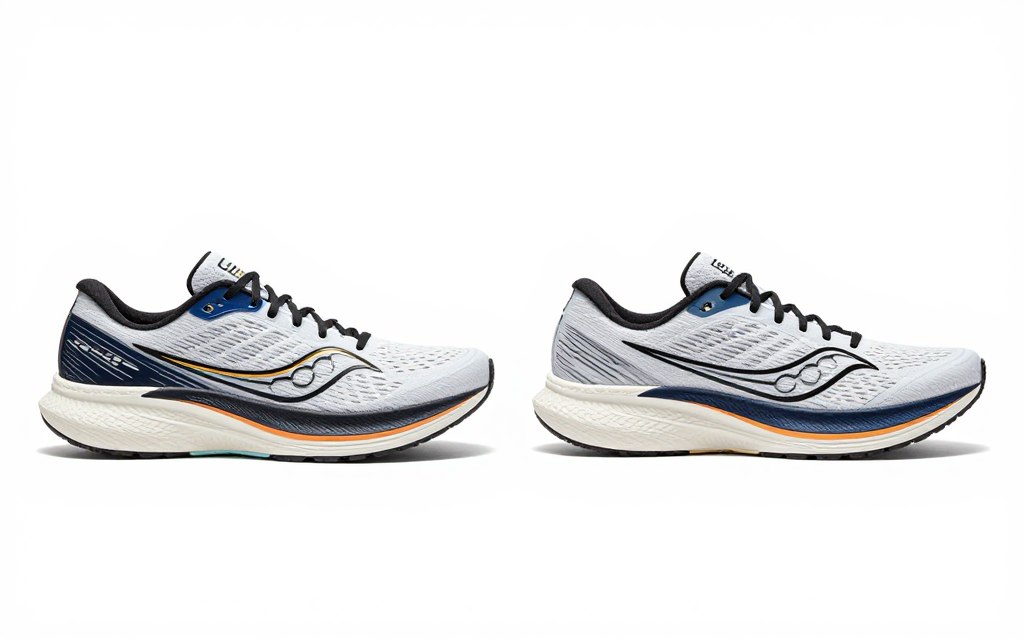
Saucony made targeted improvements rather than wholesale changes. Understanding these differences helps current Speed 3 owners decide whether upgrading makes sense.
Speed 4 Improvements
- Softer, more refined PWRRUN PB foam formulation
- Redesigned heel collar eliminates pressure points
- Improved tongue integration reduces bunching
- Enhanced breathability in upper mesh
- Slightly wider toe box accommodation
- Better durability in outsole rubber compound
Speed 3 Retained Features
- Same SPEEDROLL geometry and rocker profile
- Identical nylon plate configuration
- Similar weight class and stack height
- Comparable price point at launch
- Proven performance in training and races
- Strong value proposition for budget-conscious buyers
The verdict? Speed 3 owners shouldn’t feel pressured to upgrade immediately. The improvements are iterative rather than revolutionary. However, runners buying their first Endorphin Speed shoe should absolutely choose version four over discounted version three stock.
Speed 4 vs Endorphin Pro 4: Which Should You Choose?
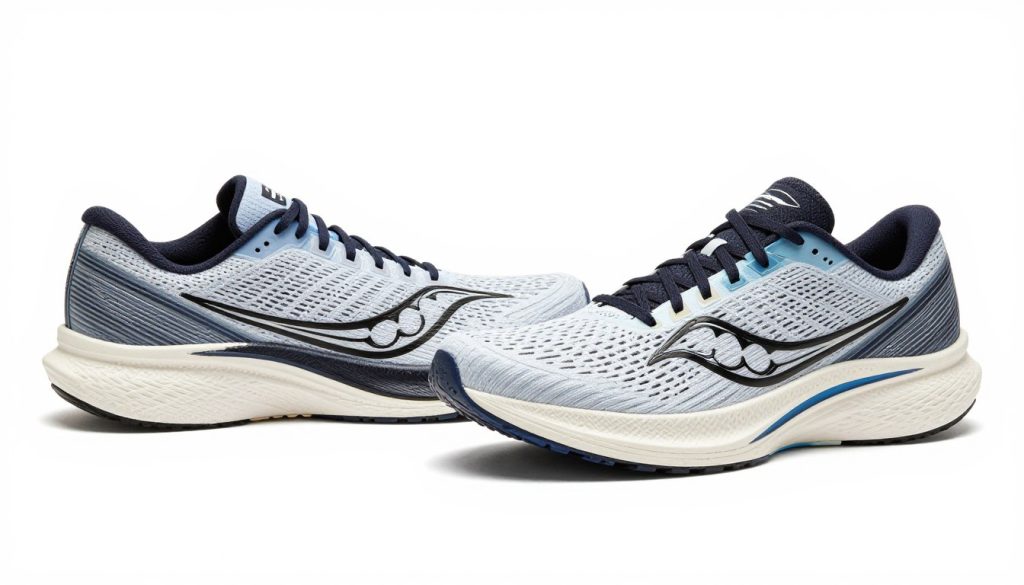
Saucony positions these models for different purposes, though overlap exists. The Pro 4 targets serious racing while the Speed 4 aims for training versatility.
The Pro 4 features a carbon fiber plate and dual-foam midsole construction. This creates a more aggressive, race-focused ride. The Speed 4’s nylon plate delivers 80 percent of the performance at 60 percent of the price.
Choose Speed 4 If You…
- Want one versatile shoe for most runs
- Prioritize training comfort over race-day speed
- Run 5K through half marathon distances
- Prefer softer cushioning on easy days
- Value affordability without sacrificing quality
Choose Pro 4 If You…
- Race marathons or half marathons seriously
- Want maximum energy return and efficiency
- Can justify premium pricing for performance gains
- Prefer firmer, more aggressive ride quality
- Already own dedicated training shoes
Who Should Buy the Saucony Endorphin Speed 4?
Not every shoe suits every runner. The Speed 4 excels for specific runner profiles while disappointing others. Understanding where you fit helps make informed purchasing decisions.
Perfect Fit Scenarios
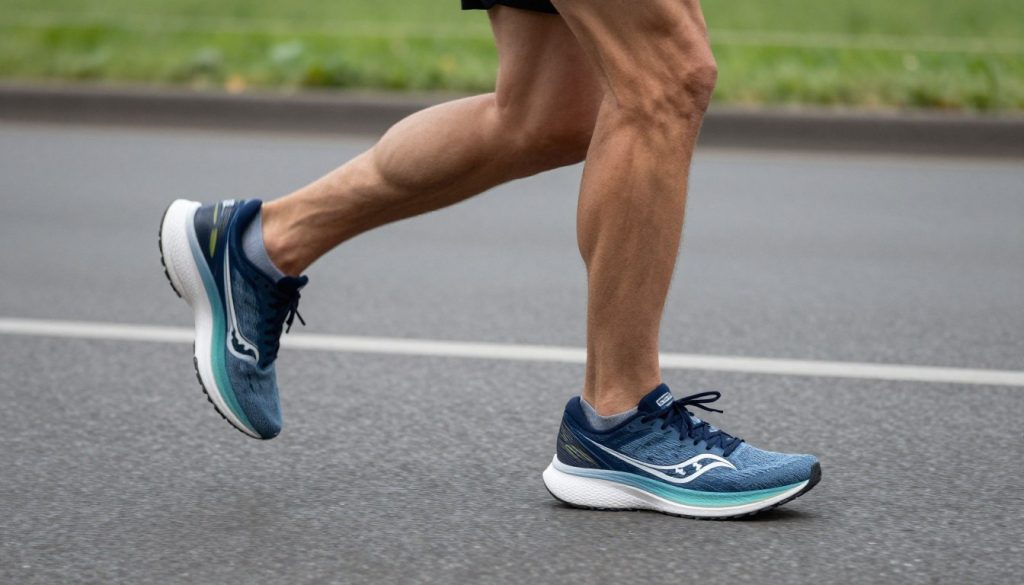
The Minimalist
Runners seeking one do-it-all shoe find excellent value here.
- Handles easy runs comfortably
- Performs well during workouts
- Race-capable for most distances
- Reduces shoe rotation complexity
The Tempo Specialist
Athletes who emphasize threshold training benefit most from the Speed 4.
- SPEEDROLL excels at steady paces
- Nylon plate adds snap without harshness
- Comfortable for extended tempo blocks
- Stable during fatigue accumulation
The Value Seeker
Budget-conscious runners appreciate the performance-to-price ratio.
- Premium features at mid-tier pricing
- Competes with shoes costing 30% more
- Durable enough for high mileage
- Strong resale value when upgrading
The Comeback Runner
Runners returning from injury appreciate the balanced cushioning.
- Adequate protection during rebuilding
- Smooth ride reduces impact stress
- Versatile for varying workout intensities
- Confidence-inspiring stability
Less Ideal Scenarios
Some runners should consider alternatives. Wide-footed athletes may struggle with the relatively narrow fit. Ultra-distance runners might prefer more cushioning for 50K and beyond distances.
Extremely heavy runners exceeding 200 pounds should test carefully. While the foam provides adequate support, some testers felt the cushioning bottomed out during long runs at higher weights.
Track specialists seeking maximum turnover may find the 8mm drop and moderate stack height less responsive than dedicated racing flats. Consider the Speed 4 for road workouts, not interval sessions on the track.
Find Your Perfect Running Partner
Over 4.6-star rating from hundreds of verified runners. Experience why the Endorphin Speed 4 is becoming the go-to choice for serious training.
Available Colorways and Style Options
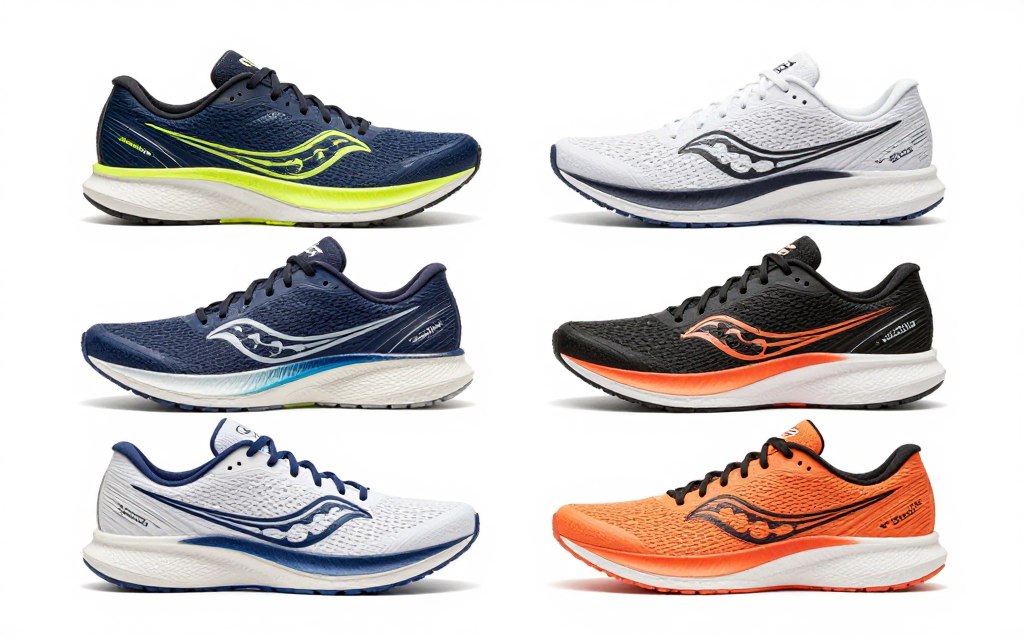
Saucony offers the Speed 4 in multiple color combinations. Options range from subtle and professional to bold and eye-catching.
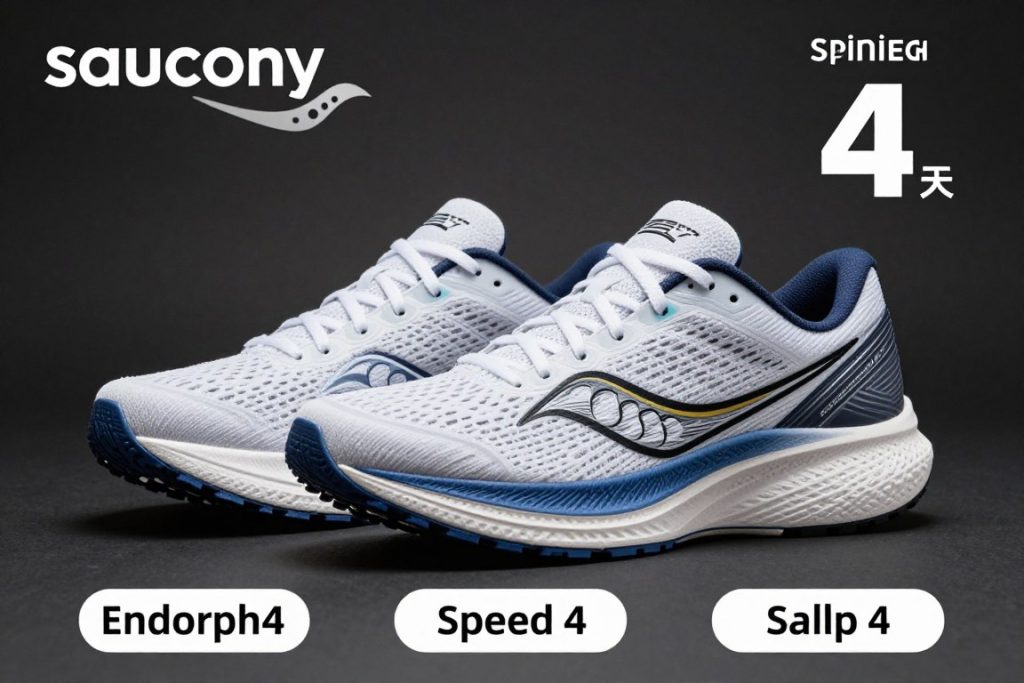
The Navy/Citron combination shown in most marketing materials delivers vibrant contrast. The deep blue upper pairs with bright citron accents for visibility during low-light runs. This colorway works well for runners who enjoy standing out.
Conservative runners prefer the White/Shadow option. The clean white base with gray accents coordinates with any running outfit. This version shows dirt more easily but maintains a classic aesthetic.
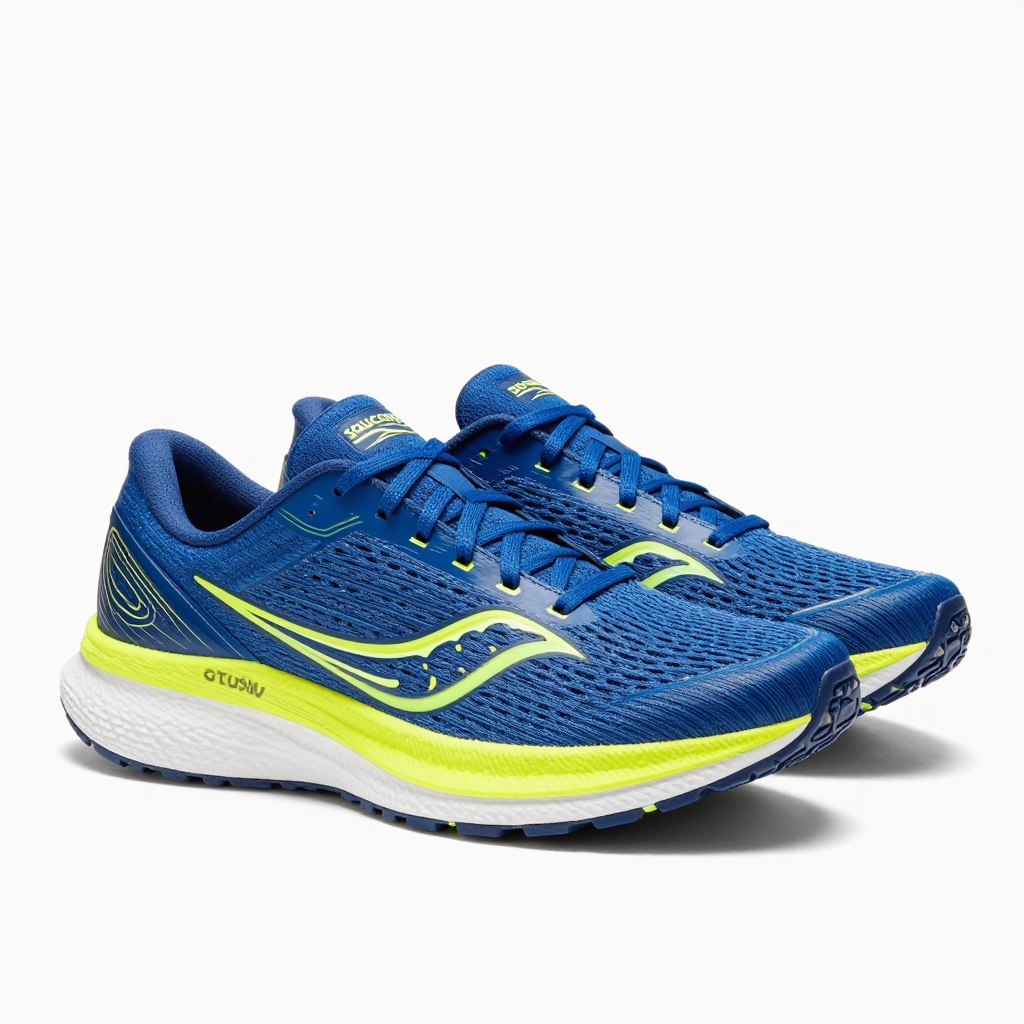
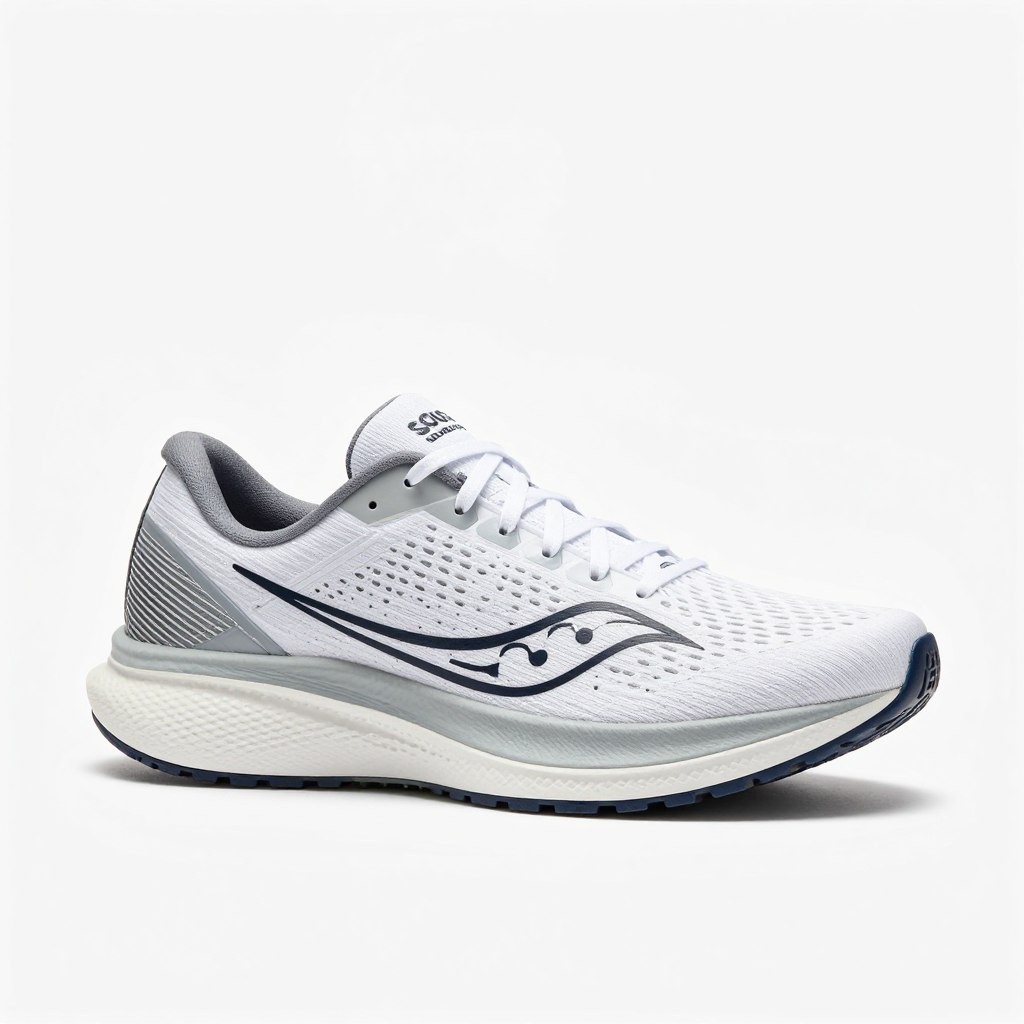
Limited edition releases appear periodically. These special colorways often sell quickly and command premium pricing on secondary markets. Standard colors remain consistently available through major retailers.
Care and Maintenance Tips
Proper care extends the life of your investment. These practices help maintain performance and appearance throughout hundreds of miles.
Cleaning Best Practices
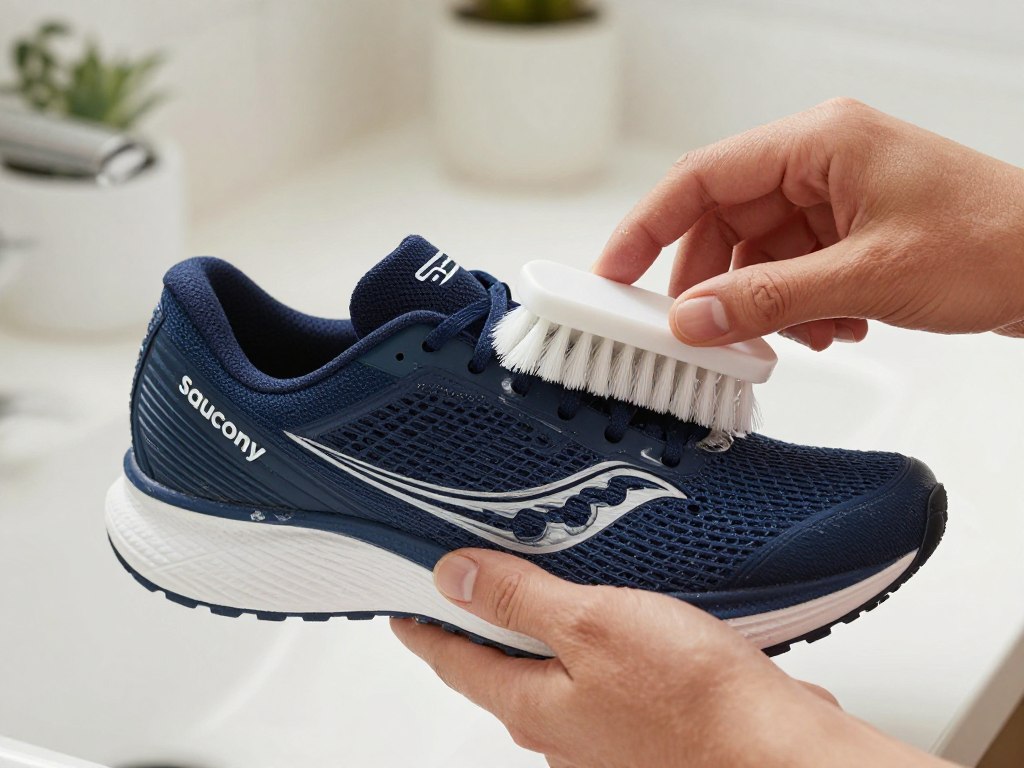
Remove excess dirt after muddy runs using a soft brush. Avoid harsh chemicals that might degrade the mesh or midsole foam. Mild soap and warm water handle most cleaning needs effectively.
Never machine wash or dry these shoes. The heat and agitation damage midsole foam and can separate bonded components. Air drying at room temperature preserves structural integrity.
Stuff damp shoes with newspaper to accelerate drying while maintaining shape. Replace the newspaper every few hours until moisture is eliminated. This prevents odor buildup and material degradation.
Storage Recommendations
- Store in cool, dry location away from direct sunlight
- Avoid leaving in hot cars where heat degrades foam
- Rotate between multiple pairs to extend lifespan
- Loosen laces between runs to reduce upper stress
- Use shoe trees or stuff with paper to maintain shape
When to Replace
Monitor for these signs indicating replacement time approaches. Visible midsole compression indicates decreased cushioning effectiveness. Excessive outsole wear compromises traction and stability.
Most runners should replace around 300 to 400 miles depending on body weight and running style. Track your mileage using apps or shoe tracking features to plan timely replacements.
Pricing and Value Proposition
The Saucony Endorphin Speed 4 retails for approximately $170 at launch. This positions it in the premium trainer category but below super-shoe pricing.
Cost Comparison Context
| Shoe Model | Category | MSRP | Key Features |
| Saucony Endorphin Speed 4 | Versatile Trainer | $170 | Nylon plate, SPEEDROLL, daily trainer |
| Saucony Endorphin Pro 4 | Racing | $250 | Carbon plate, race-focused, premium |
| Nike Vaporfly 3 | Racing | $260 | Carbon plate, ZoomX foam, elite racing |
| ASICS Novablast 4 | Daily Trainer | $150 | No plate, daily miles, comfort-focused |
| New Balance FuelCell Rebel v4 | Versatile Trainer | $140 | No plate, lightweight, tempo-capable |
The Speed 4 occupies sweet spot pricing. You get plated-shoe performance without carbon-plate cost. Competitors offering similar versatility often match or exceed this price point.
Finding Deals and Discounts
Patience pays when shopping for running shoes. Last season’s colorways frequently go on sale for 20 to 30 percent off retail. Sign up for retailer email lists to catch flash sales and promotions.
Major sales events like Black Friday and post-marathon season typically offer best discounts. However, popular sizes and colors sell quickly during these periods.
Running specialty stores often price-match online retailers. Take advantage of expert fitting advice while securing competitive pricing. Many stores offer loyalty programs providing additional savings over time.
What Runners Are Saying: Real User Reviews
Aggregated feedback from hundreds of runners reveals consistent themes. Understanding common praise and criticism helps set realistic expectations.
Most Common Praise Points
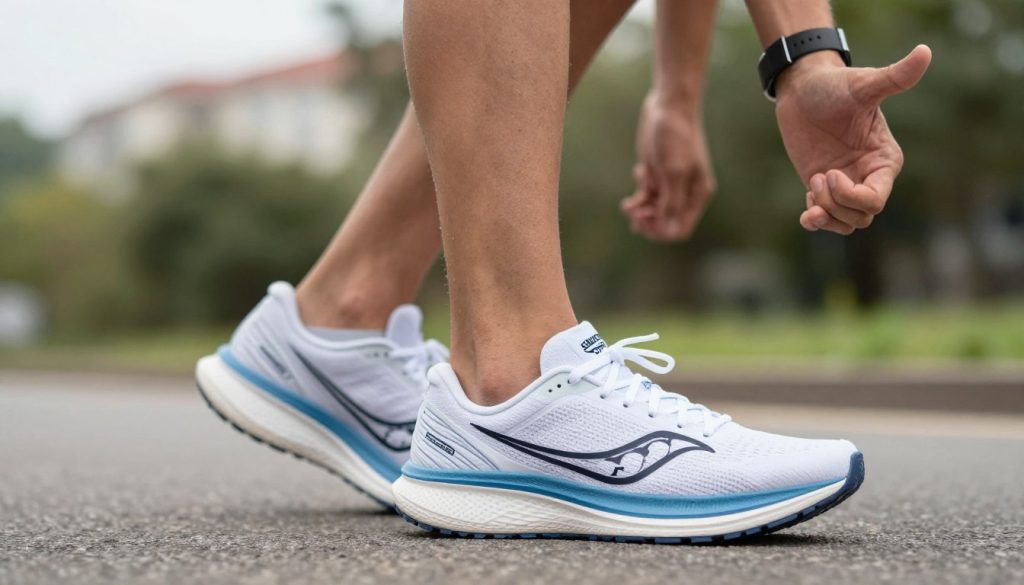
“These shoes make every run feel effortless. The SPEEDROLL technology really works. I’m running the same paces with less perceived effort.”
Versatility receives overwhelming positive feedback. Runners appreciate having one shoe that handles everything from recovery jogs to tempo workouts. This reduces the need for extensive shoe rotations.
The comfort level surprises many testers. Despite the performance-oriented design, the Speed 4 never feels harsh or punishing. The foam cushioning strikes an ideal balance for most runners.
Top Positive Feedback
- Exceptional versatility across workout types
- Responsive without being harsh
- Comfortable for long runs
- Noticeable propulsion from SPEEDROLL
- Lighter than expected for cushioning level
- Good value compared to carbon alternatives
- Improved fit over previous versions
Common Criticisms
- Too narrow for wide-footed runners
- Not quite race-ready for elite athletes
- Outsole durability concerns for heavy runners
- Less cushioned than max-stack trainers
- Premium price point for some budgets
- Limited availability of wide sizes
Professional Tester Consensus
Running publications consistently rank the Speed 4 highly in their annual shoe reviews. Runner’s World awarded it “Editor’s Choice” for versatile training. Believe in the Run praised the improved upper comfort.
OutdoorGearLab testing found the Speed 4 outperformed competitors in tempo run scenarios. The shoe earned high marks for propulsion efficiency while maintaining comfort scores.
Complete Technical Specifications
Detailed specifications help runners make informed comparisons with other models under consideration.
Construction Details
| Weight (Men’s 9) | 7.6 oz / 215g |
| Weight (Women’s 8) | 6.4 oz / 181g |
| Stack Height (Heel) | 35mm |
| Stack Height (Forefoot) | 27mm |
| Drop | 8mm |
| Midsole Material | PWRRUN PB foam |
| Plate Type | Nylon |
Additional Specifications
| Upper Material | Engineered mesh |
| Outsole | Rubber with strategic placement |
| Closure | Traditional lace-up |
| Terrain | Road running |
| Recommended Use | Training, tempo, racing |
| Width Options | Standard (D/B) |
| Vegan | Yes |
Frequently Asked Questions
How does the Speed 4 compare to the Speed 3?
The Speed 4 features softer PWRRUN PB foam, an improved heel collar design, and better tongue integration. The overall geometry and nylon plate remain similar. Most runners notice improved comfort during easy runs while maintaining the responsive feel that made Speed 3 popular.
Can I use the Speed 4 for marathon racing?
Yes, many runners successfully race marathons in the Speed 4. However, consider your goals and preferences. Recreational marathoners targeting 3:30 to 4:30 finish times find excellent performance. Elite runners chasing Boston qualifying times might prefer carbon-plated options like the Endorphin Pro 4 for maximum efficiency.
Do these shoes run true to size?
Most runners find the Speed 4 true to size. The fit works best for narrow to medium width feet. Wide-footed runners should consider sizing up half a size or trying before buying. Always leave thumb-width space between your longest toe and the shoe’s end.
How many miles should I expect from the Speed 4?
Typical lifespan ranges from 250 to 400 miles depending on body weight, running form, and surface type. Lighter runners on smooth pavement often exceed 350 miles. Heavier runners or those training on rough surfaces may need replacement around 250 miles. Monitor outsole wear and foam compression to determine optimal replacement timing.
Is the nylon plate as good as carbon fiber?
The nylon plate delivers approximately 80 percent of carbon fiber’s performance at significantly lower cost. It provides adequate snap and propulsion for training and racing up to half marathon distance. Carbon plates offer marginal gains that matter most to elite athletes. Most recreational runners won’t notice significant performance differences during typical training.
Can I use these shoes for daily training?
Absolutely. The Speed 4 excels as a daily trainer. The foam provides adequate cushioning for recovery runs while maintaining responsiveness for faster efforts. Many runners successfully use the Speed 4 for 80 percent or more of their weekly mileage across varying paces and distances.
Are these suitable for heavy runners?
Runners under 200 pounds generally find adequate support and cushioning. Heavier athletes should test carefully, as some report the foam compressing excessively during long runs. Consider shoes with higher stack heights or firmer midsoles if you consistently exceed 200 pounds.
What’s the break-in period like?
Most runners find the Speed 4 comfortable immediately. The upper requires minimal break-in, typically feeling natural within the first 10 to 20 miles. The midsole foam may feel slightly firm initially but softens subtly after the first few runs without losing responsiveness.
Final Verdict: Should You Buy the Saucony Endorphin Speed 4?
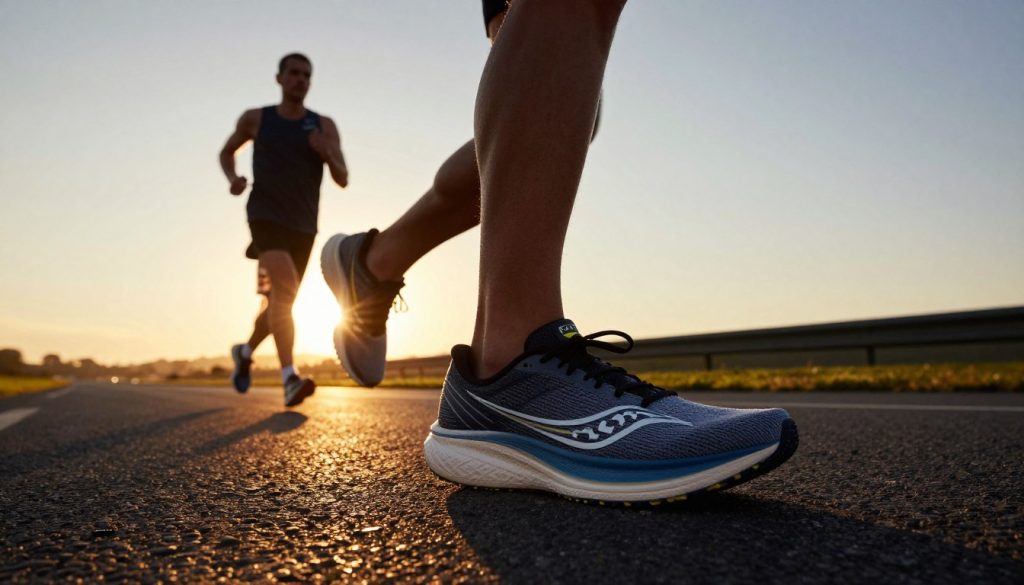
The Saucony Endorphin Speed 4 delivers on its promise of versatile performance. Few shoes balance daily training comfort with workout responsiveness this effectively.
The refinements over version three address legitimate complaints without losing the essence of what made the line successful. The softer foam, improved heel collar, and enhanced breathability create a more refined overall experience.
Who Gets Maximum Value
Runners seeking shoe rotation simplicity benefit most from the Speed 4. The ability to handle recovery jogs, tempo runs, long runs, and race day duties in one package saves money and decision fatigue.
Athletes training for 5K through half marathon distances find the sweet spot. The shoe’s characteristics align perfectly with these race distances and associated training demands.
Value-conscious runners appreciate getting plated-shoe technology at prices well below carbon alternatives. The performance gap between nylon and carbon plates matters less than marketing suggests for most recreational athletes.
Potential Deal Breakers
Wide-footed runners face challenges with the relatively narrow fit. Saucony should expand width offerings to capture this segment of the market.
Runners who prioritize maximum cushioning for ultra-distance efforts might find the 35mm stack insufficient. Consider higher-stack alternatives if running 50K and beyond regularly.
Elite competitors chasing every marginal gain may prefer carbon-plated racing shoes. The Speed 4 serves these athletes better as a training tool than race day option.
The Bottom Line
The Saucony Endorphin Speed 4 earns strong recommendation for most runners. The combination of versatility, performance, and value creates compelling proposition in the crowded running shoe market.
This shoe won’t revolutionize your running overnight. It will, however, make your training more enjoyable while potentially improving efficiency during harder efforts. That’s exactly what most runners need from their footwear.
Saucony continues refining an already excellent formula. The Speed 4 represents the most complete version yet. Current Speed 3 owners can wait for version five. Everyone else should seriously consider adding the Speed 4 to their rotation.
Ready to Upgrade Your Training?
Join the community of runners who’ve discovered the perfect balance of speed and comfort. The Saucony Endorphin Speed 4 is waiting to transform your runs.
Conclusion

The Saucony Endorphin Speed 4 stands as testament to thoughtful iterative design. Rather than chasing flashy innovations, Saucony refined what already worked while addressing legitimate shortcomings.
The result is a shoe that genuinely delivers on promises of versatility. From recovery jogs to race day efforts, the Speed 4 adapts to your needs without compromise. The SPEEDROLL technology continues proving its worth mile after mile.
At $170 retail, the value proposition remains strong. You’re investing in technology and performance that competes with shoes costing significantly more. The durability ensures this investment pays dividends across hundreds of training miles.
Whether you’re a seasoned marathoner or recreational runner building weekly mileage, the Endorphin Speed 4 deserves consideration. It might not be perfect for everyone, but it’s remarkably close to ideal for most runners seeking one versatile training partner.
The running shoe market offers endless options. Cutting through marketing noise to find genuine value challenges even experienced runners. The Speed 4 makes that decision easier by simply delivering consistent performance across varied training demands.
